Nurse burnout in hospitals: signs, data and how to overcome it
Hospital nurse burnout has become increasingly common. LVNs and RNs across the country are balancing fast-paced, high-acuity patient care with long shifts— often with limited recovery time.
While resilience has long been a defining trait of nursing, there are pitfalls of overextending oneself. Burnout isn’t a personal failing. It’s a response to sustained pressure, and it’s one that deserves attention.
This article highlights how nurse burnout in hospitals puts patient safety and nurse mental health at risk. It also offers some solutions to consider that can improve nurse well-being.
Nurse burnout is a growing issue in hospitals
Hospital environments place unique demands on nurses. Fast-paced units, emotional intensity and chronic coverage gaps create conditions where stress can accumulate quickly.
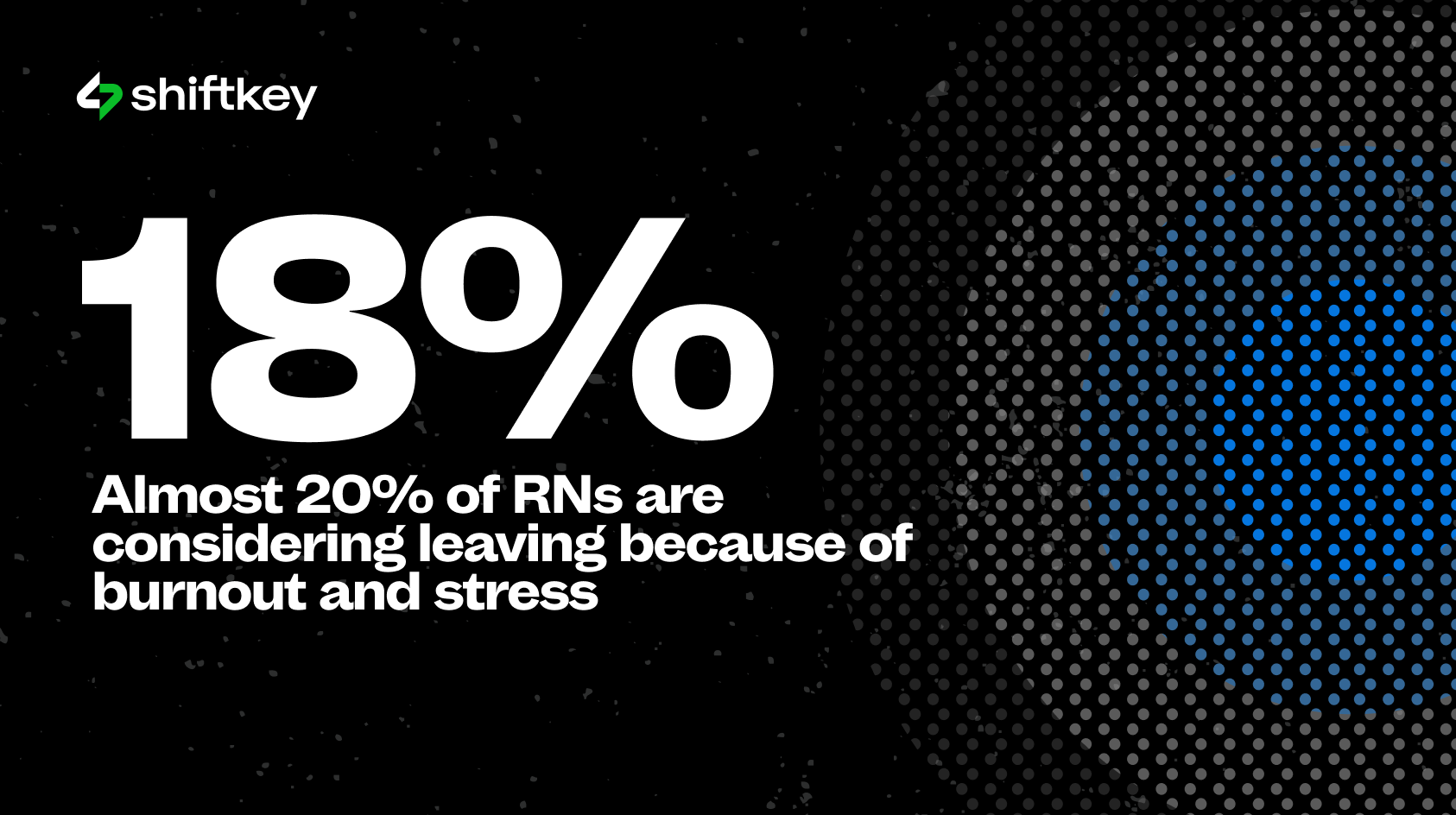
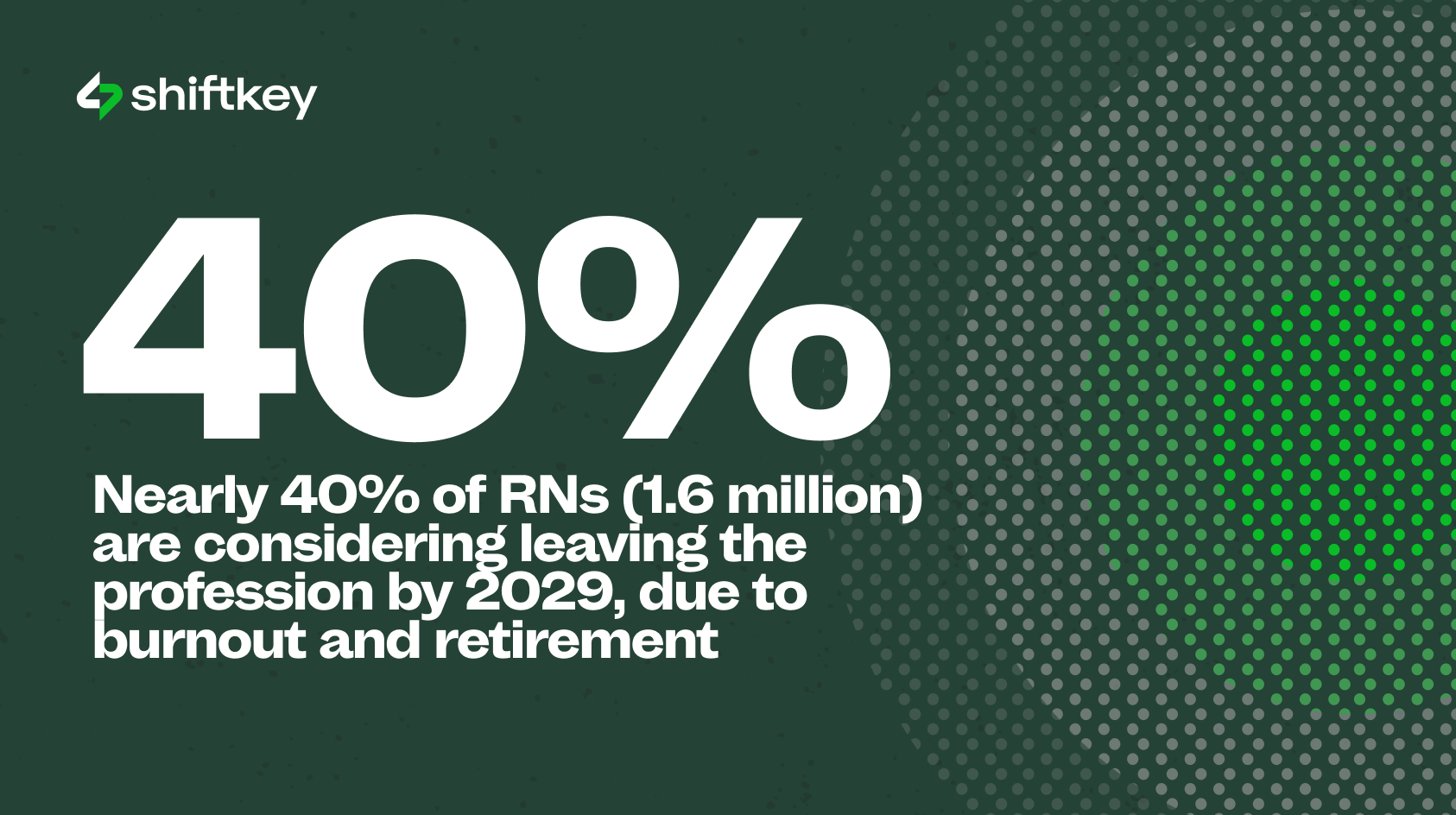
A recent report from the National Council of State Boards of Nursing forecasts nearly 40% of registered nurses are considering exiting the profession by 2029 — roughly 1.6 million nurses across the country (Becker’s Hospital Review). Approximately 22% are retiring, while 18% are leaving because of burnout and stress. This startling number highlights how the workforce shortage is connected to issues with hospital conditions, systemic stressors and the emotional toll of increasingly demanding caregiving environments.
What is nurse burnout?
Nurse burnout is a state of chronic emotional, physical and mental exhaustion caused by extended work stress. It’s common in high-pressure environments like nursing and usually stems from a lack of support, high workload, low professional-to-patient levels, long shifts or low control. Left unaddressed, burnout can lead to serious consequences for your personal health and patient safety.
Common signs of burnout nurses often overlook
Burnout doesn’t happen overnight. Many nurses experience early warning signs long before they label what they’re feeling. Some signs may include:
- Emotional exhaustion, even after time off
- Difficulty concentrating or mental fatigue during shifts
- Physical symptoms such as headaches, disrupted sleep or frequent illness
Read about more common signs of nurse burnout.
Because high-acuity patient care often requires pushing through challenges, these signs are easy to dismiss as “just part of the role.” Left unaddressed, however, burnout tends to intensify rather than resolve.
Why nurse burnout isn’t about work ethic or resilience
Burnout is not caused by a lack of dedication. It’s the result of prolonged imbalance, when professional demands consistently outweigh recovery, rest and personal capacity. For hospital nurses, limited control over schedules and long shifts can make that imbalance unavoidable. While time off can help temporarily, burnout typically requires more than a short break.
Why nurse burnout goes beyond the professional
This looming crisis is magnified by troubling data showing how nurse burnout decreases patient safety, clinical outcomes and care quality. According to a meta-analysis published by JAMA (in which 31% of nurses reported burnout symptoms), burnout shows strong correlations with increased adverse events, higher infection rates, frequent medication errors and reduced patient satisfaction scores. These findings underscore that workforce stress isn’t merely affecting nurses. Burnout directly impacts patients.
How to prevent nurse burnout in hospitals
There’s no easy answer. Nurse burnout is a systemic issue, so preventing it requires organizational support. But more nurses are finding ways to protect their well-being while continuing to work in hospital settings. The most effective strategies focus on awareness, boundaries and flexibility.
Recognize burnout early
Identifying burnout early allows nurses to make adjustments before reaching a breaking point. Awareness is a critical first step.
Set clear boundaries
Saying no to extra shifts when capacity is already stretched, protecting rest days and being honest about limits can help prevent burnout from escalating.
Prioritize recovery
Recovery involves more than sleep. Mental decompression, time away from high-stress environments and space to recharge outside of work all contribute to long-term sustainability.
Explore flexible work options
Schedule flexibility is one of the most impactful tools nurses use to prevent or manage burnout. For hospital nurses, this may include:
- Adjusting fixed schedules
- Picking up on-demand shifts
- Choosing when and where to work based on availability and energy
Nurses with more control over their schedules often report feeling less overwhelmed and more engaged in their work.
Final thoughts: Burnout is a sign that it’s time to get help
If you’re burned out, ask for help. Reach out to people that you can depend on for support and try these tips, but recognize that might not be enough. If you need more, get help from a mental health professional. If you’re in crisis, call or text 988.